In Canada, the appetite for buying a second home is strong, especially over the last few years. Prior to the COVID-19 pandemic, the proportion of home owners with more than one property ranged from 15% in British Columbia to about 22% in Nova Scotia, according to a recent Statistics Canada report. By June 2021, real estate investor purchases had grown to account for slightly more than one-fifth of all home purchases in Canada—a high not seen since the real estate boom of 2017.

DAVID LAMBROU
Buying a second home: How it works in Canada
26 Sep 2022
News
Favorite
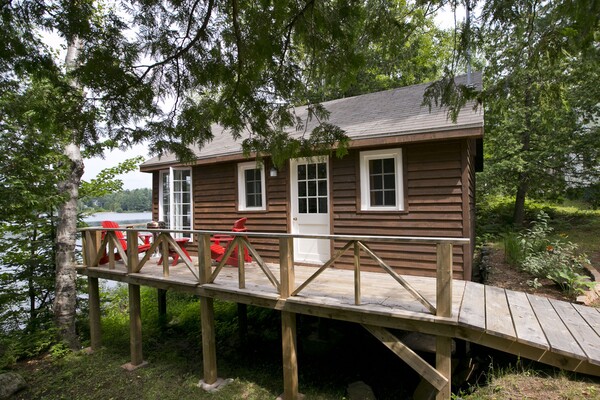
What does it take to buy a second home in Canada? There’s a lot to consider, from figuring out whether you can afford to buy a second property (and whether it’s worth it) to navigating the down payment requirements and mortgage rules. To help you get started, we’ve answered these questions and more.
Table of contents:
- What counts as a second home
- The rules for buying a second home in Canada
- Affording a second home
- Financing your second home
- Is buying a second home worth the investment?
What counts as a second home?
Generally, a second home refers to a real estate property that is owner-occupied, meaning the owner will be living in it at least part of the time. It can refer to a cottage, a vacation home or a weekday residence (like a condo) for someone who commutes a great distance to work in a city. A multi-unit dwelling where the owner lives in one of the units and rents out the others is also considered an owner-occupied residence.
For lenders, it’s the “owner-occupied” part that matters. If your second or third property is non-owner-occupied (meaning you will not be living there at all), then it’s considered an investment property. And that means you’ll have to meet different requirements to get a mortgage. Some smaller lenders don’t even provide mortgages for investment properties.
What are the rules for buying a second home in Canada?
If you’re already a home owner, you’re likely familiar with many of the qualifying criteria, because many of the requirements for buying a second or third property are the same as for buying a principal residence. You will have to qualify for a mortgage under the stress test, have a good credit score (especially if you want to get the most competitive mortgage rates) and have a debt-to-income ratio that falls within the acceptable range for your lender.
The one major difference with buying a second property is the down payment—the amount of money you need to pay upfront in order to purchase the home. As with principal residences, the down payment needed on a second property is tied to the purchase price of the home. However, with second properties, the number of units on the property, and whether or not the owner will live there, impact the size of the down payment as well.
- Mortgage rules when buying a second property in Canada: What you need to know
- How much of a down payment do you need on a second home?
Can you afford a second home?
Familiarizing yourself with the mortgage rules for second properties is step one. Eventually, you’ll have to answer the question, “Can I afford it?”
If you’re able to buy the property outright without borrowing any funds, the process is fairly straightforward. However, if you expect to apply for a second property mortgage, your lender will need to evaluate your financial profile. They will look at your income, your gross debt service (GDS) ratio and total debt service (TDS) ratio, your credit score and other factors to determine if you qualify. Some lenders will allow a portion of the rental income from your future property to count towards your income, increasing the amount you can borrow.
Based on your profile, as well as current market interest rates and other factors, you will be offered an interest rate on your mortgage. That interest rate will have a large impact on the overall affordability of your new home, so it pays to compare offers and shop around for the best mortgage rate you can find.
Once you’re in your new home, don’t forget that you might be able to claim certain expenses for income tax purposes. Every bit helps!
How to finance the purchase of a second home
There are many great ways to save up for a real estate purchase. Many first-time home buyers use their own savings and investments, government programs like the Home Buyers’ Plan or First-Time Home Buyer Incentive, or a financial gift from a family member—or, in many cases, a combination of all three.
Current property owners have another option—they can finance the purchase of additional real estate using the equity in their current home. Essentially, the buyer borrows funds against the equity in their property, using the property itself as collateral.
There are different ways to buy a second, third or even fourth property using equity, including:
- Mortgage refinance
- Home equity line of credit (HELOC)
- Second mortgage
- Reverse mortgage
Each of these financial products and services has its own qualifying criteria, pros and cons. But in each case, you will need to have more than 20% equity in your current property; lenders won’t let you borrow more than 80% of the value of your current home. Read more about using equity to finance a real e
Beyond that, remember that there are home buying programs. Even if you’ve previously made use of a first-time home buyer program, don’t write off doing so again. In certain situations, you may qualify as a first-time home buyer a second or even third time.
You’re 2 minutes away from getting the best mortgage rates in CanadaAnswer a few quick questions to get a personalized rate quote*I'M BUYING A HOMEI'M RENEWING/REFINANCINGYou will be leaving MoneySense. Just close the tab to return.Is buying a second home worth the investment?
There are a lot of potential answers packed into this relatively simple question. It depends on your life and retirement goals, the type of home you’re buying, whether you plan to rent it out, and how you’re financing the purchase—to say nothing of trying to anticipate changes in real estate prices and mortgage interest rates.
Only you can answer the question, after considering your unique blend of financial and non-financial factors. The following columns offer some perspective, whether you’re buying a vacation home, buying a rental property as an investment or using a corporation to accomplish similar goals.
- Is a vacation home a good investment?
- Will you make money on your rental property?
- Buying a home with a basement apartment
- Should you buy real estate through a corporation?
Before buying a second home
Purchasing another property can be an exciting and worthwhile investment. However, it’s not for everyone. It’s always good to speak to a mortgage broker or financial advisor before purchasing real estate, but it’s even more important when considering a second or third property. An experienced mortgage broker should be well versed in the financing conditions of different lenders and can guide you through the mortgage process. And a financial advisor can help you decide if buying another property is in your best financial interests.
